BAHARI YETU
About Us
Bahari Yetu means “Our Ocean.”
And that’s exactly how we approach everything we do.We’re starting with something simple:Teaching Zanzibar’s children to swim.Taking kids into the mangroves, building water confidence, teaching safety and helping them understand the ocean around them.From there, we build local ocean stewardship — training people to monitor, protect and restore the ecosystems their communities depend on.Swim. Learn. Protect.
WHAT WE DO
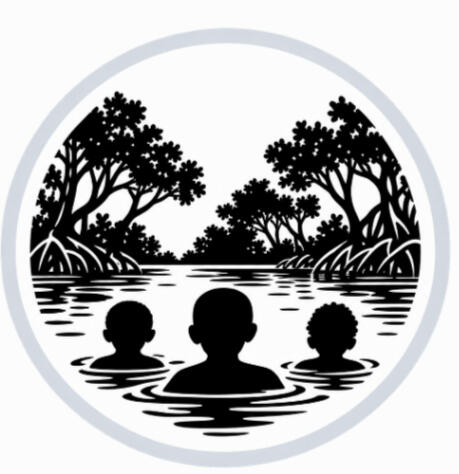
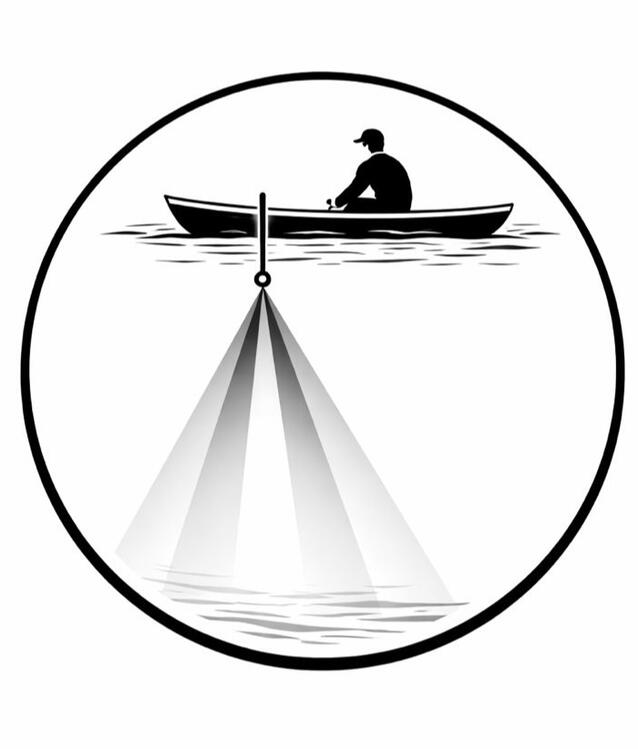
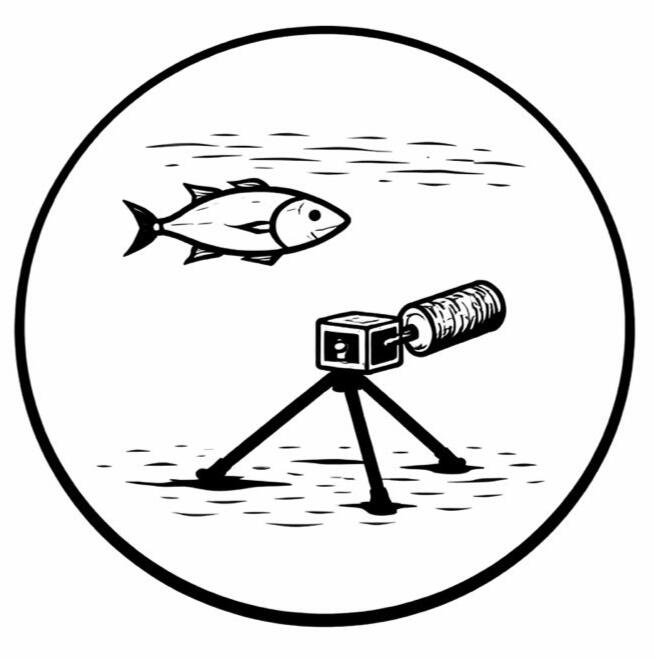
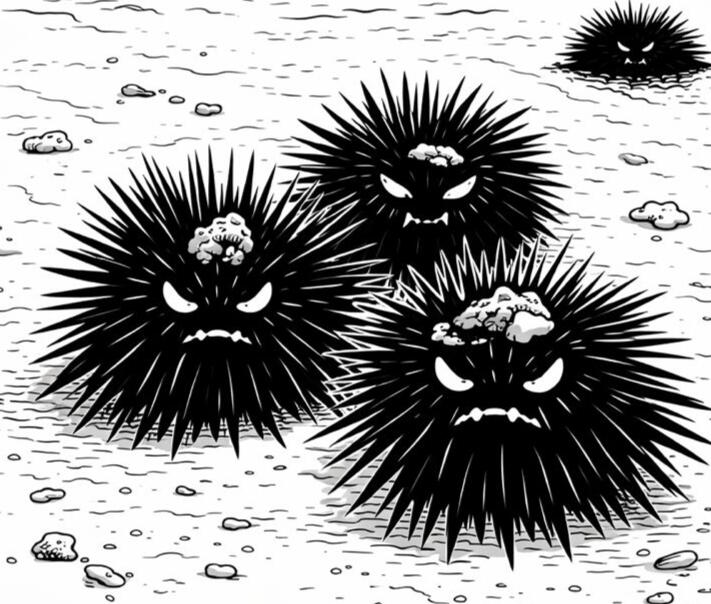
We start with water safety — teaching Zanzibar’s children to swim.Then we take them onto the water for hands-on learning: seeing coral reefs, seagrass, mangroves and marine life up close.The aim is simple: build confidence in the water, create a connection with the ocean, and inspire the next generation to protect it.
WHY IT MATTERS
A lot of conservation still relies on snapshots, assumptions, or one-off studies.We believe in something different:👉 Consistent data
👉 Local ownership
👉 Real-world actionBecause ecosystems don’t recover from reports — they recover from informed, ongoing management.
GOVERNANCE AND COMMUNITY ROLE
Local communities are involved in:Defining monitoring prioritiesParticipating in data collectionReviewing observations over timeDecision-making authority and benefit-sharing mechanisms are being structured locally, with transparency and traceability as core requirements.
RISK AND LIMITATIONS
Marine ecosystems are dynamic and influenced by natural variability and external pressures.
Baseline uncertainty, attribution limits, and long monitoring horizons remain material risks.Current work is exploratory and observational.
Claims will only be made where evidence supports them.
STATUS
CURRENTLY UNDERWAY
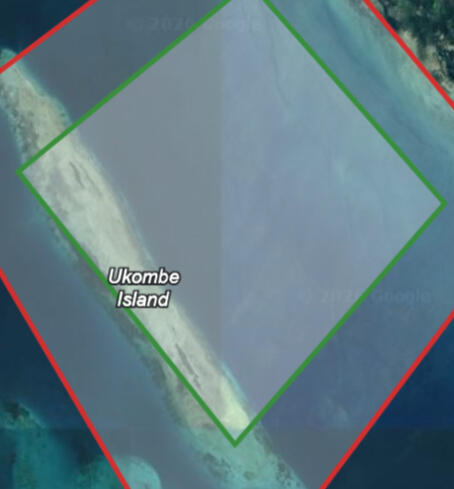
Nyamanzi & Fumba marine ecosystems
Field monitoring ongoing
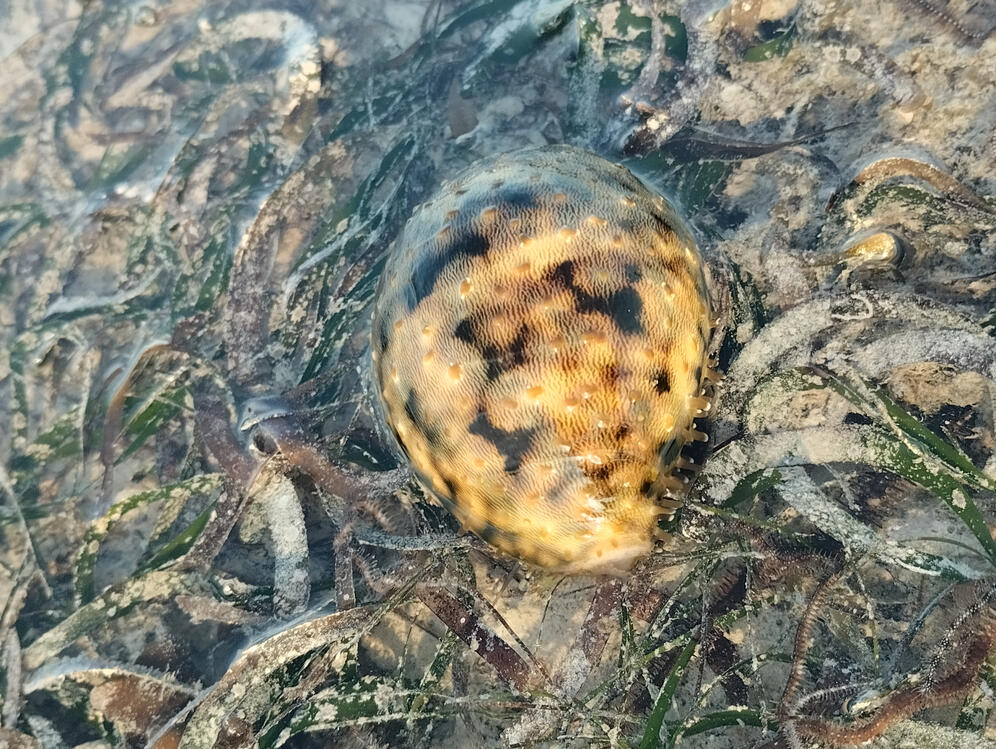
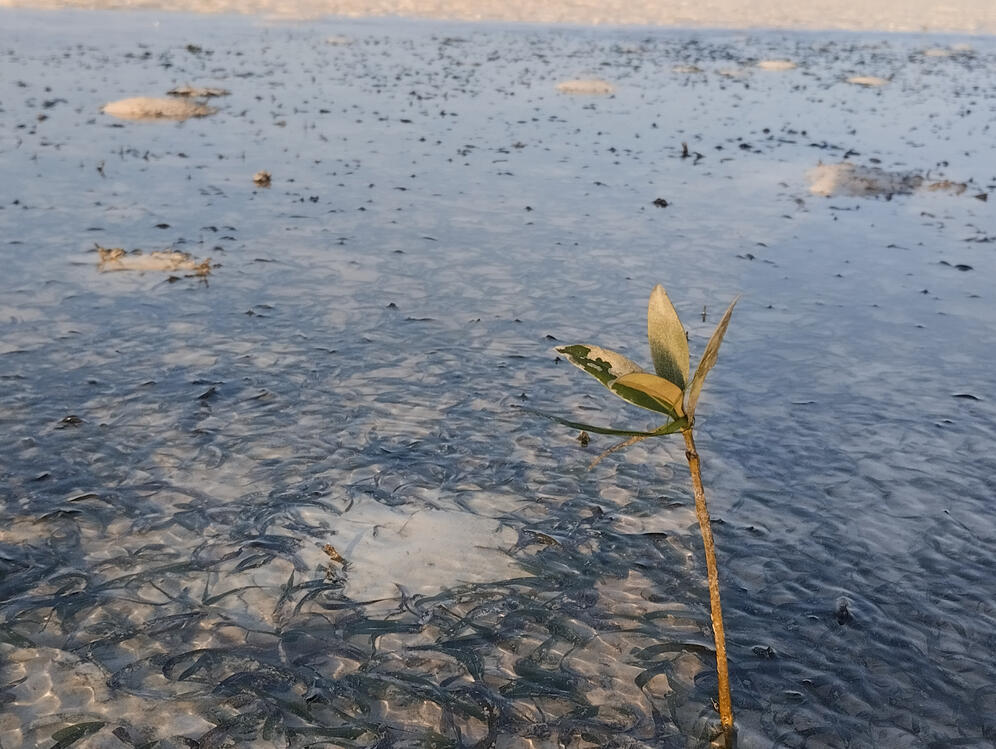
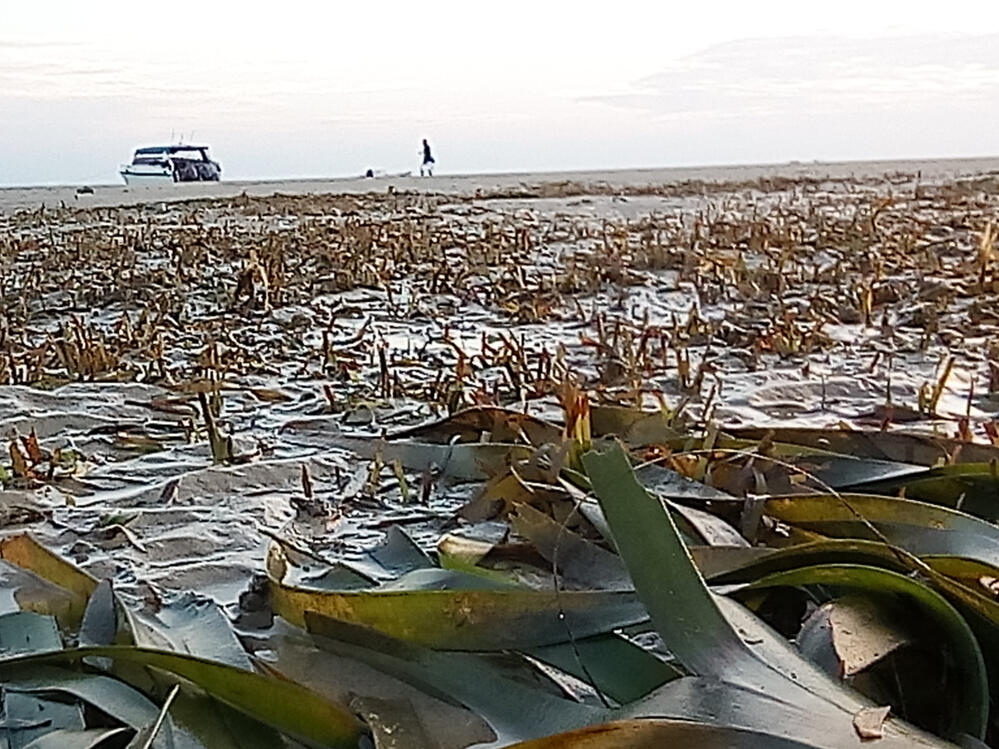
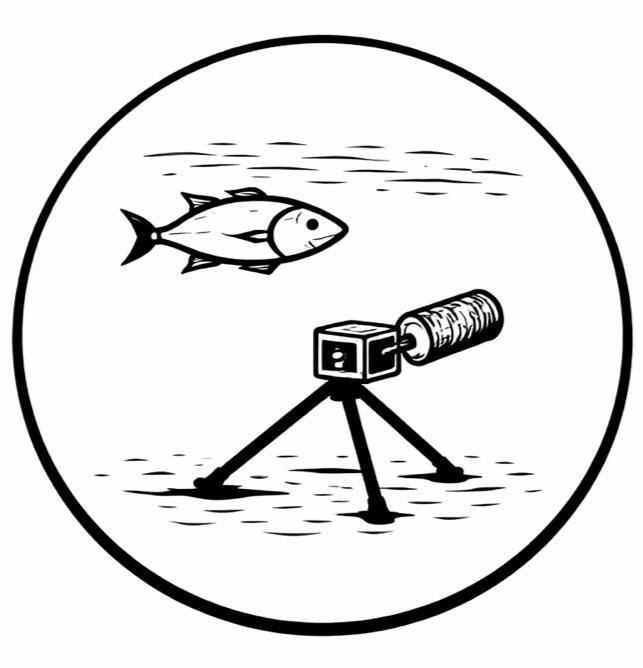
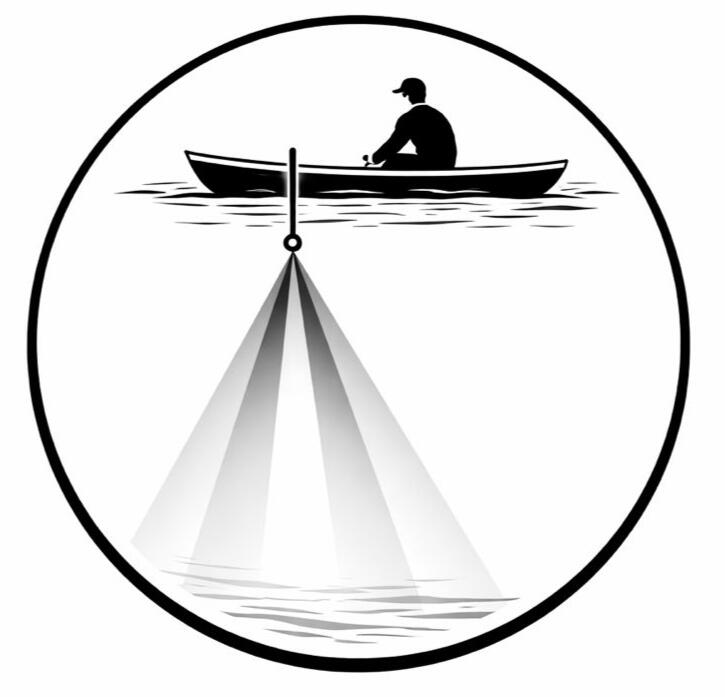
Seagrass • Coral • Sedimentation • Water quality
UK Charity CIO application underway
Zanzibar company formation underway
Two new local team members joining the project
Adapting the Savimbo ISBM methodology to marine ecosystems
Engaging with Cercarbono
Exploring methodology and registration pathways
New website and rebrand underway
Seagrass Research Centre
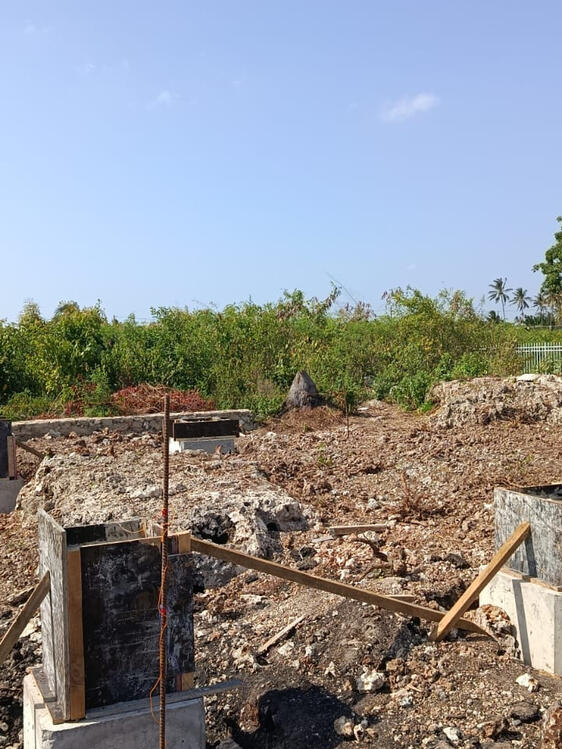
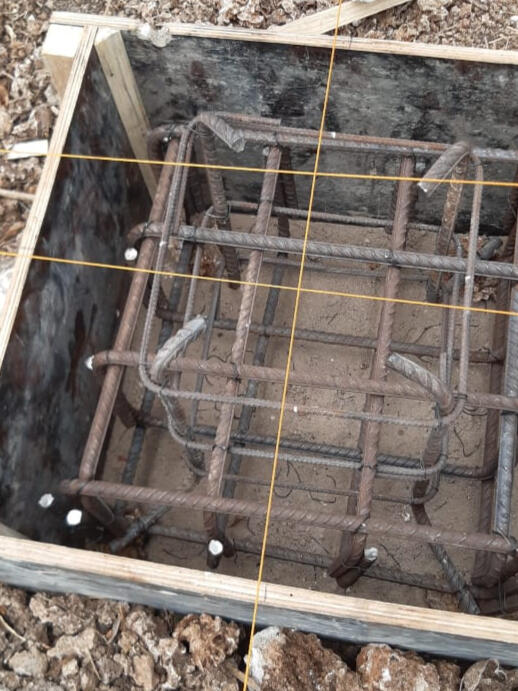
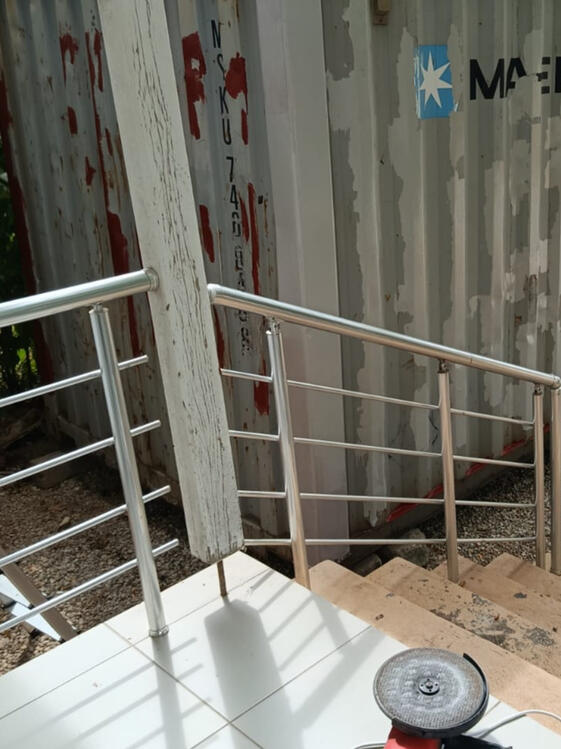
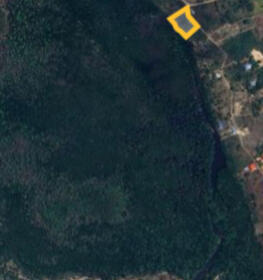
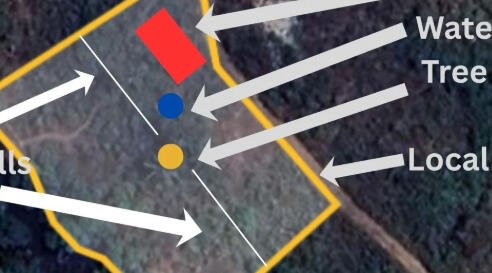
Regional Swimming & Ocean Education CentreThe Nyamanzi Centre will be a regional hub for swimming, water safety and ocean education.Based in Nyamanzi village, it will give children and communities the opportunity to learn to swim, explore the marine environment and develop a deeper connection with Zanzibar’s ocean.Swim. Learn. Explore. Protect.
Data Collection
PARTNERSHIP AND WAY FORWARD
We are seeking strategic partners for co-development, seed support to complete the 6-month baseline, activate enforcement, and scale the Nyamanzi Hub model East Africa-wide.
CONTACT
Email - [email protected]
Content updated as field evidence becomes available.
© Untitled. All rights reserved.