BAHARI YETU
WHAT THIS IS
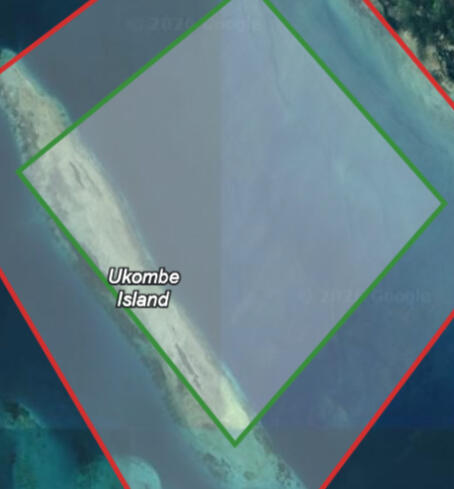
Bahari Yetu is developing a community-led marine biodiversity programme in southern Zanzibar, designed with an emphasis on governance, verification, and long-term ecological monitoring.
HOW WE WORK
Our approach is deliberately cautious:Baseline conditions are documented before claims are madeEvidence is collected ex-post using repeatable field methodsLocal fishers and seaweed farmers participate in monitoring and decision-makingExternal partners support, rather than direct, project designAttribution is treated conservatively to reduce interpretive riskThe emphasis is on detecting change over time, not promoting outcomes prematurely.
FIELD OBSERVATIONS
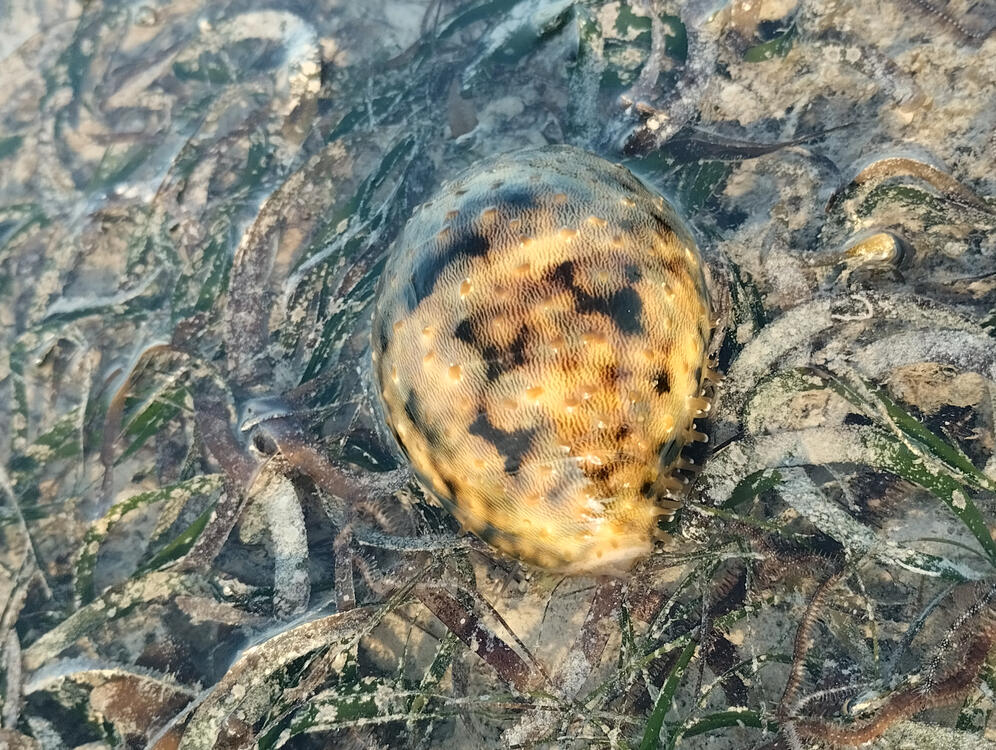
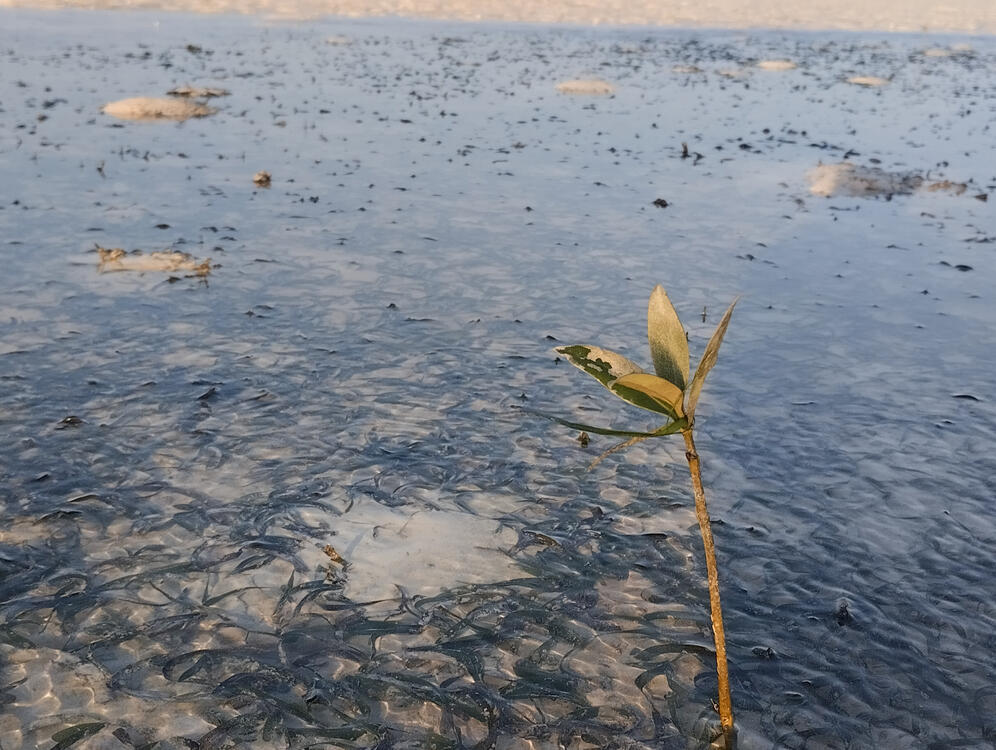
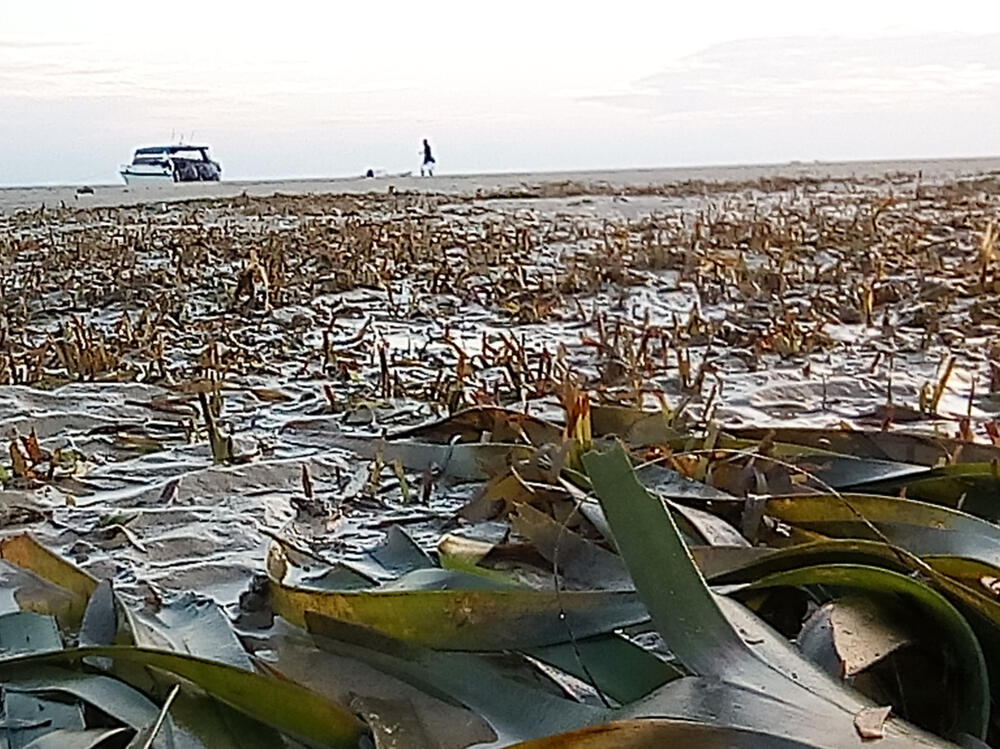
These include seagrass meadows, adjacent coral structures, and associated fish assemblages, recorded to provide contextual understanding of ecosystem condition over time.These records are used to:Establish reference conditionsTrack spatial and temporal variabilityReduce reliance on selective or illustrative imageryMaterial shared publicly reflects documentation, not conclusions.
GOVERNANCE AND COMMUNITY ROLE
Local communities are involved in:Defining monitoring prioritiesParticipating in data collectionReviewing observations over timeDecision-making authority and benefit-sharing mechanisms are being structured locally, with transparency and traceability as core requirements.
RISK AND LIMITATIONS
Marine ecosystems are dynamic and influenced by natural variability and external pressures.
Baseline uncertainty, attribution limits, and long monitoring horizons remain material risks.Current work is exploratory and observational.
Claims will only be made where evidence supports them.
HOW WE WORK
We are actively adapting Savimbo’s Indicator Species Biodiversity Methodology (ISBM) to marine contexts, using repeatable, community-led sentinel species monitoring with strict governance continuity and automatic pause conditions on delivery lapses.
STATUS
Field observations ongoingMonitoring methods under refinementBase line phase planned for 2026Updates will reflect data availability rather than timelines.
Seagrass Research Centre
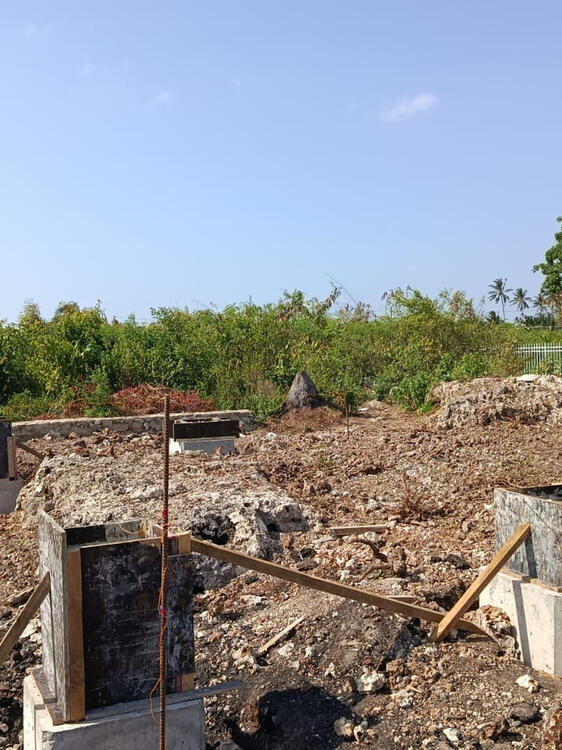
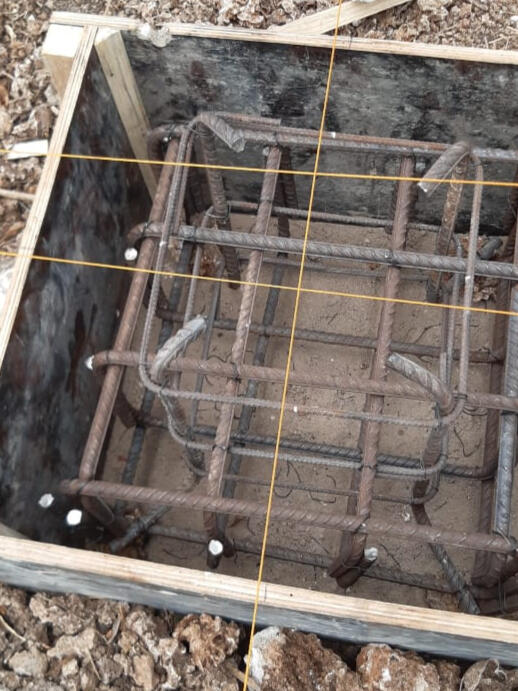
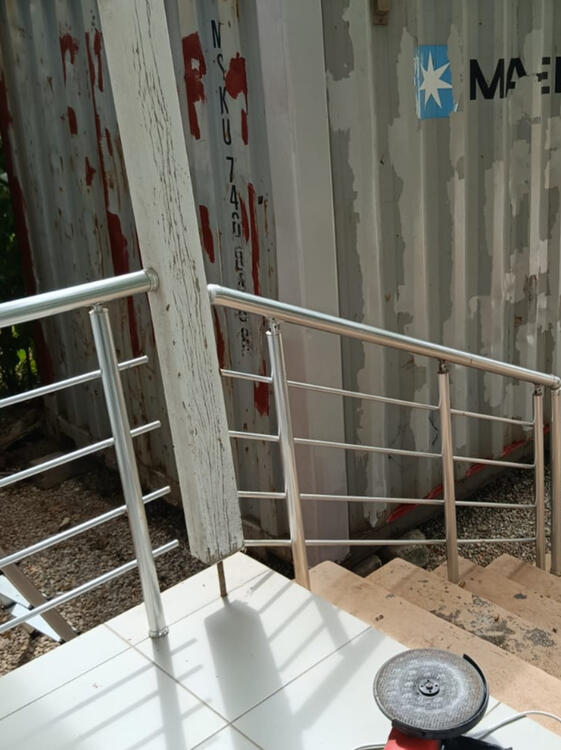
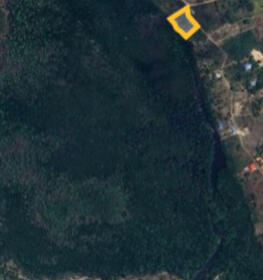
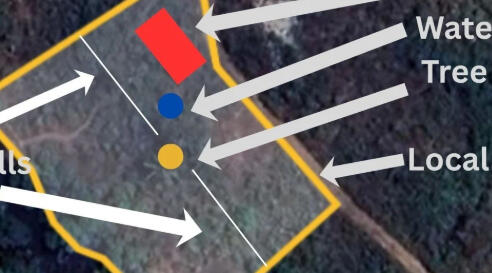
The Nyamanzi Seagrass Research & Monitoring Centre is being developed as the East Africa Regional Training & Development Hub for marine biodiversity assurance and community stewardship. Located on owned land in Nyamanzi village, it serves as the physical anchor for the project — combining routine monitoring, guardian training, community workshops, and a scalable replication model for coastal sites across Kenya, Tanzania, and beyond.
PARTNERSHIP AND WAY FORWARD
We are seeking strategic partners for co-development, seed support to complete the 6-month baseline, activate enforcement, and scale the Nyamanzi Hub model East Africa-wide.
CONTACT
Email - [email protected]
Content updated as field evidence becomes available.
© Untitled. All rights reserved.
Text